
For a long time I’ve seen the same pattern across different industries. Service history is either stuck in a binder, buried somewhere in a contractor’s internal system, or split across spreadsheets that never get updated. Everyone knows it’s a problem, but nobody has really solved it in a simple and neutral way.
That gap is basically why ASL exists. Not to replace someone’s workflow or compete with big maintenance platforms, but to fix the one thing almost everyone struggles with. A central and permanent service log that actually follows the asset.
A neutral and asset based approach
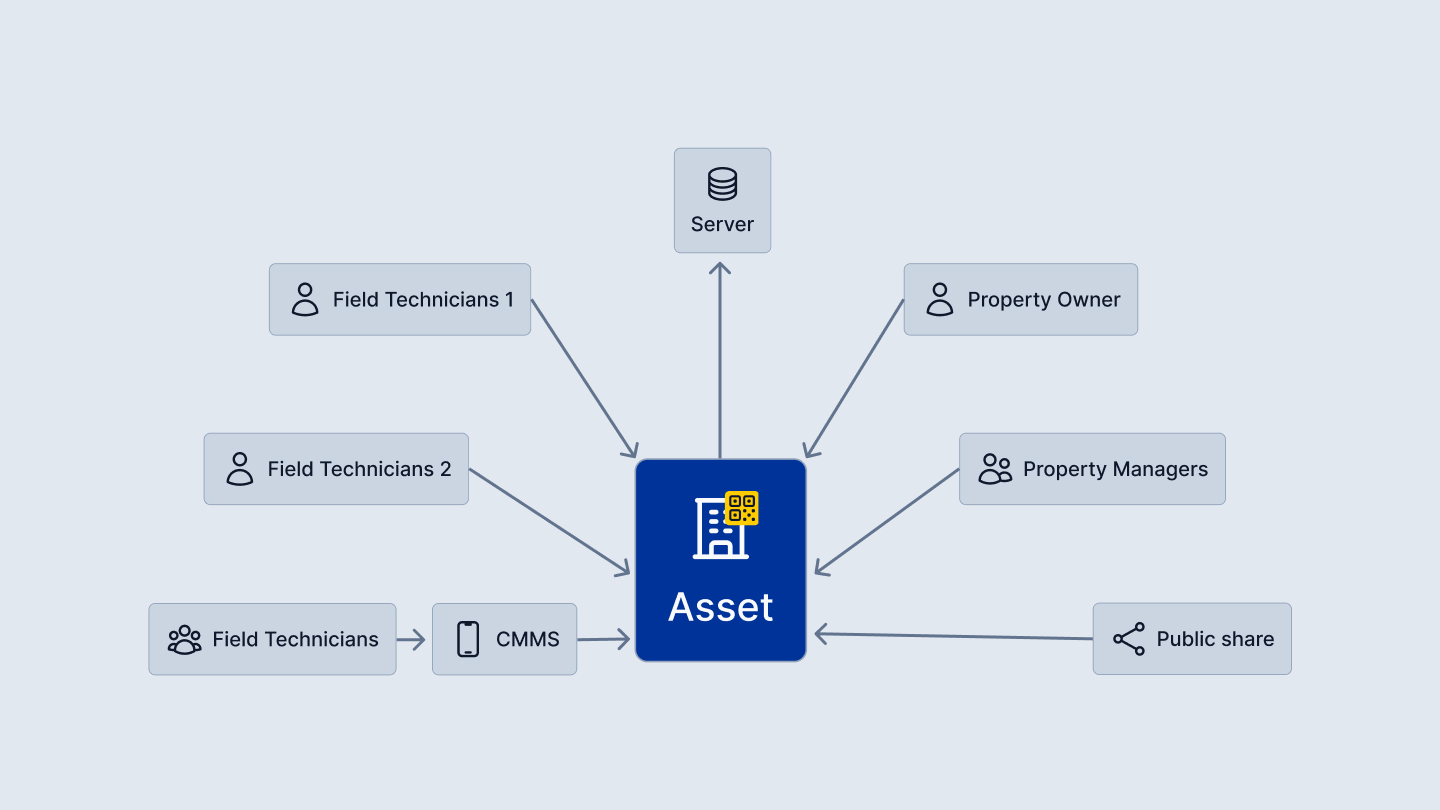
One of the biggest issues today is that many digital solutions are tied to the company providing the service. When you switch contractor, you lose half the history or you need to export things manually. With ASL the log is connected to the asset itself. Not the service company. Not the technician. Anyone who is authorised can update it and the owner never loses control of their documentation.
This sounds simple, but it makes a massive difference in real life. Properties change hands, service agreements change every few years, and equipment can be maintained by several firms over its lifetime. A neutral log removes a lot of friction and guesswork.
No subscriptions and no barriers
Another clear gap in the market is the cost structure. Most systems come with subscriptions per user or per asset. It gets expensive fast, especially for smaller service companies who work in the field every day. ASL is built differently. One QR tag, one purchase, long term hosting included. No recurring payments and no need to manage licences.
For technicians the platform is completely free to use. They can scan, write a service note, upload a photo and move on with their day. No login to create accounts for, no app to install, no monthly fee hanging over their head. This is one of the things that most people react positively to when they test it.
Low threshold. No app. No excuses not to use it
Most digital tools fail in the field because they demand extra steps. Install an app, set up an account, handle permissions, update the app, remember passwords. Technicians simply don’t have time for that when they’re standing in a noisy plant room or on a ladder.
With ASL you scan and you’re in. If you have permission you can add service notes. If not you still see the public history. It works anywhere and on any smartphone and that low threshold is exactly what makes adoption realistic. If something is too heavy to use, it doesn’t matter how advanced it is.
A central service record that finally stays in one place
When you put these pieces together, you end up with something the market has been missing for years. A single point of truth for maintenance that everyone can reach without jumping through hoops. Owners get transparency. Technicians get a simple workflow. Future contractors have full history. And the asset itself finally gets a service log that stays with it through its whole life.
This is not about building the most complex system. It is about fixing the most basic and overlooked problem in maintenance. A clean, central and neutral log that anyone can update without paying subscriptions or dealing with unnecessary tech.
That gap has been open for a long time. ASL is designed to close it.